

Your theme decides how your blog looks, how fast it loads, and how much you can change without touching code. Pick a heavy, outdated theme and you fight it for years; pick a lean, well-supported one and it gets out of the way. The good news in 2026 is that the best themes are faster, cheaper, and easier than ever, and several of the best ones are free. This guide explains what to look for and recommends 9 themes that suit most blogs.
Free or Premium?
The old rule was “free themes are for hobbyists”. That is no longer true. Several of the best themes available (Kadence, Blocksy, GeneratePress, Astra, Ollie) are free on WordPress.org with optional paid upgrades, and the free versions are fast, well coded, and supported. Start free, and pay only when you need a specific premium feature: more header layouts, custom layouts for post templates, WooCommerce extras, or priority support. A premium upgrade usually costs $59 to $129 a year.
Block Theme or Classic Theme?
WordPress now has two kinds of themes. Block themes (Ollie, Twenty Twenty-Five) let you design everything, including headers, footers, and post templates, in the Site Editor with the same blocks you use to write posts. Classic themes with block editor support (Kadence, GeneratePress, Astra, Blocksy) use the Customizer for the layout and the block editor for content. Both are good choices. Block themes are where WordPress is heading and need no extra builder; classic hybrid themes have more polished settings panels today.
What to Look For in a Blog Theme
1. Speed
Install the theme on a test page or check its demo in PageSpeed Insights. A good blog theme loads under 50 KB of CSS and JavaScript and passes Core Web Vitals on mobile with no optimization. Avoid themes that bundle sliders, many fonts, and their own page builder on every page.
2. Fits your purpose
A magazine-style blog needs category sections and grids (see our newspaper themes and tech blog themes). A blog earning from ads needs space for ad placements (see AdSense-ready themes). A personal or tutorial blog needs a clean reading layout more than anything.
3. Mobile-first design
Most readers arrive on phones, and Google indexes the mobile version of your site. Check the demo on your own phone: readable text without zooming, a menu that works with one thumb, and no layout jumping as the page loads.
4. Easy customization without code
You should be able to change colors, fonts, header layout, sidebar, and single post layout from the Customizer or Site Editor. Starter templates (one-click demo imports) save hours.
5. Works with the block editor and your plugins
The theme should style core blocks properly and work with the plugins you rely on: your SEO plugin, WooCommerce if you sell, and block plugins like Ultimate Blocks. If you use a page builder (Elementor, Divi), make sure the theme supports it.
6. Active development and support
Check the last update date (within the last two or three months), the number of active installs, and the support forum response times on WordPress.org. A theme that has not been updated in a year is a security and compatibility risk.
7. Accessibility and translation readiness
Look for “accessibility ready” and “translation ready” tags. Even if you only publish in English now, a translation-ready theme works with WPML or Polylang later.
9 Best WordPress Themes for Blogs
1. Kadence (Free, Pro $129/yr)
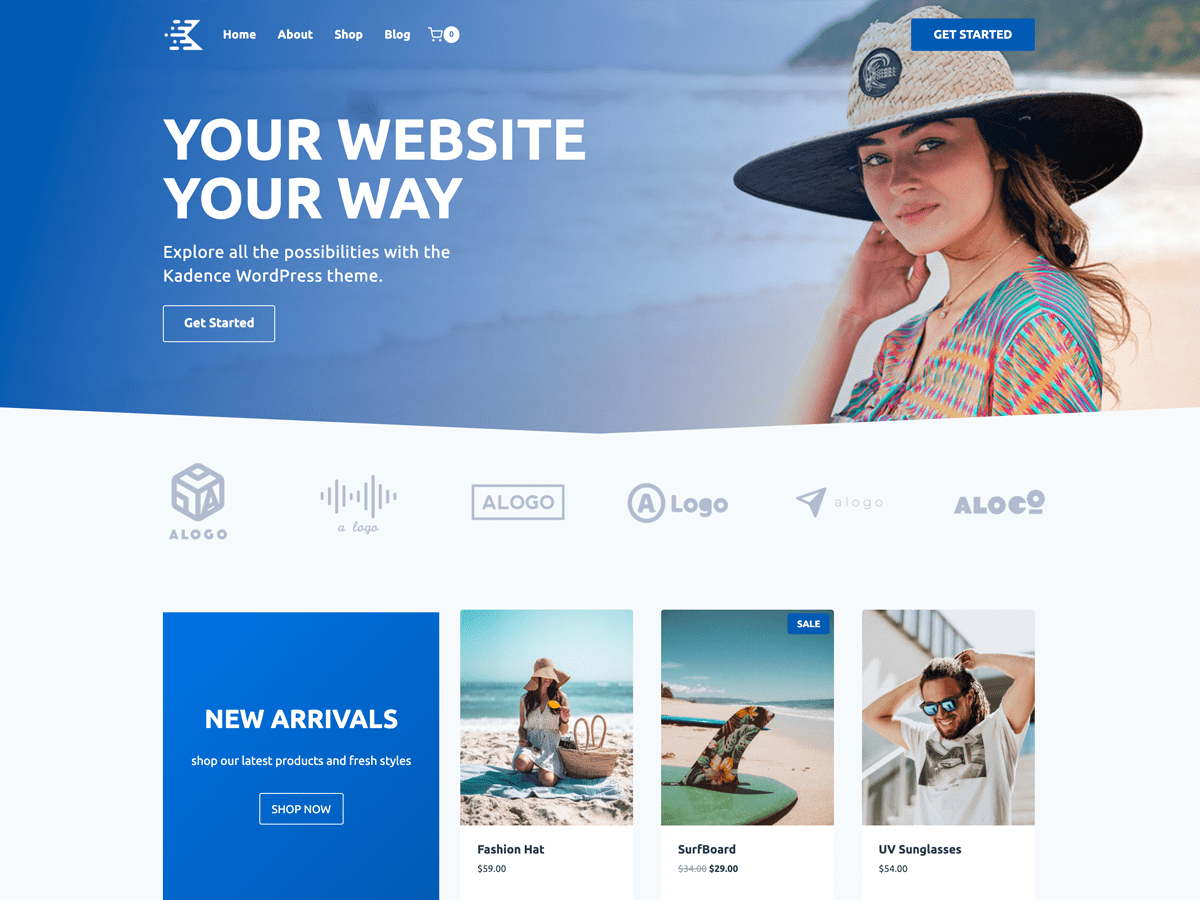
Kadence is the most complete free theme: a drag and drop header and footer builder, global color palettes, dozens of starter templates, and the free Kadence Blocks plugin for advanced layouts. With 500,000+ installs and frequent updates, it is our default recommendation for new blogs. Pro adds conditional headers, custom layouts, and mega menus.
2. GeneratePress (Free, Premium $59/yr)

GeneratePress is famous for speed and stability: under 10 KB of CSS, clean code, and almost no front-end weight. The free theme is minimal by design; GP Premium ($59 a year) adds the Site Library, hooks, custom layouts, and the GenerateBlocks Pro integration. Ideal for bloggers who care most about performance.
3. Astra (Free, Pro from $69/yr)

Astra is one of the most installed themes on WordPress.org, with a huge starter template library for every niche, deep WooCommerce and page builder support, and a fast core. Astra Pro adds layouts, mega menus, and blog options, from $69 a year or $249 lifetime.
4. Blocksy (Free, Pro $69/yr)
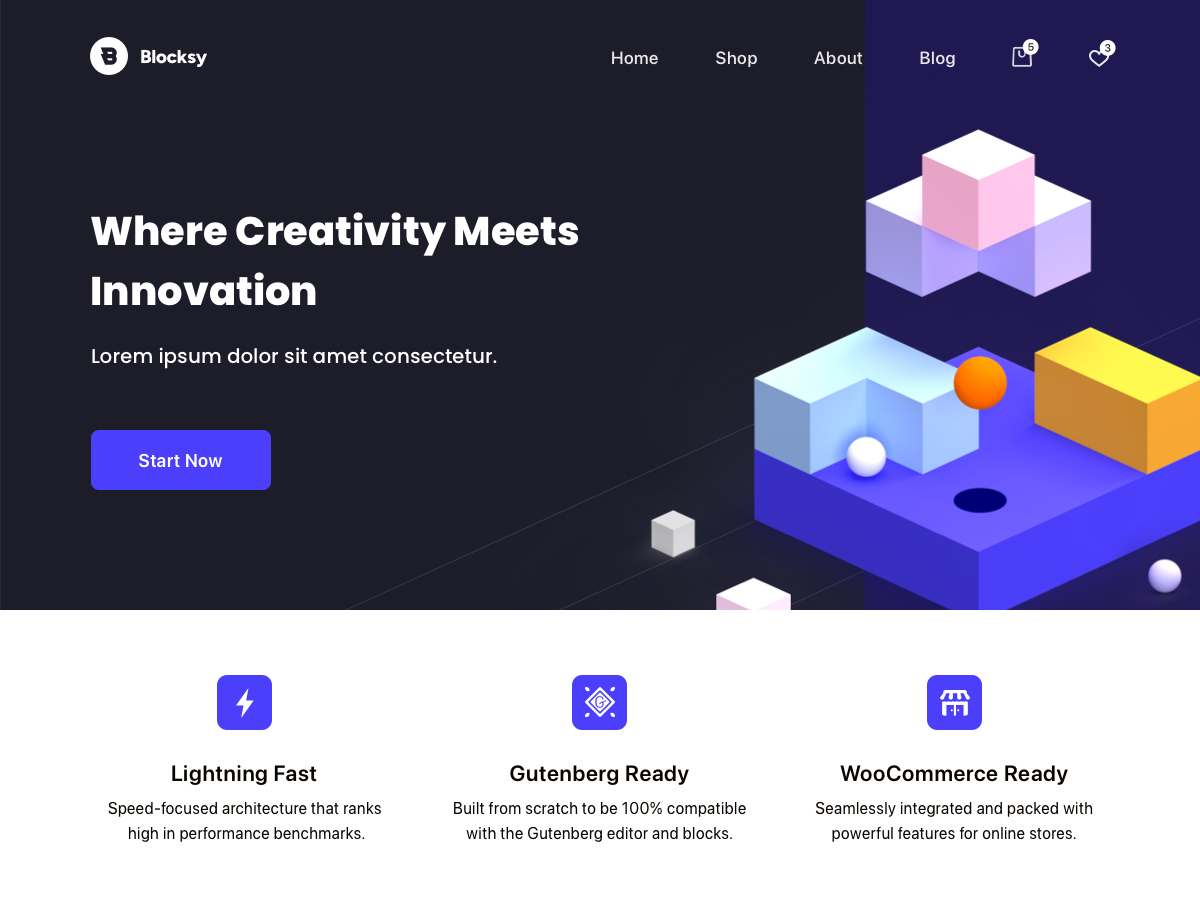
Blocksy is a modern, block-editor-first theme with a visual header builder, dark mode, and many blog-friendly archive and single post layouts in the free version. Pro adds content blocks, more header elements, and WooCommerce extras.
5. Ollie (Free block theme)
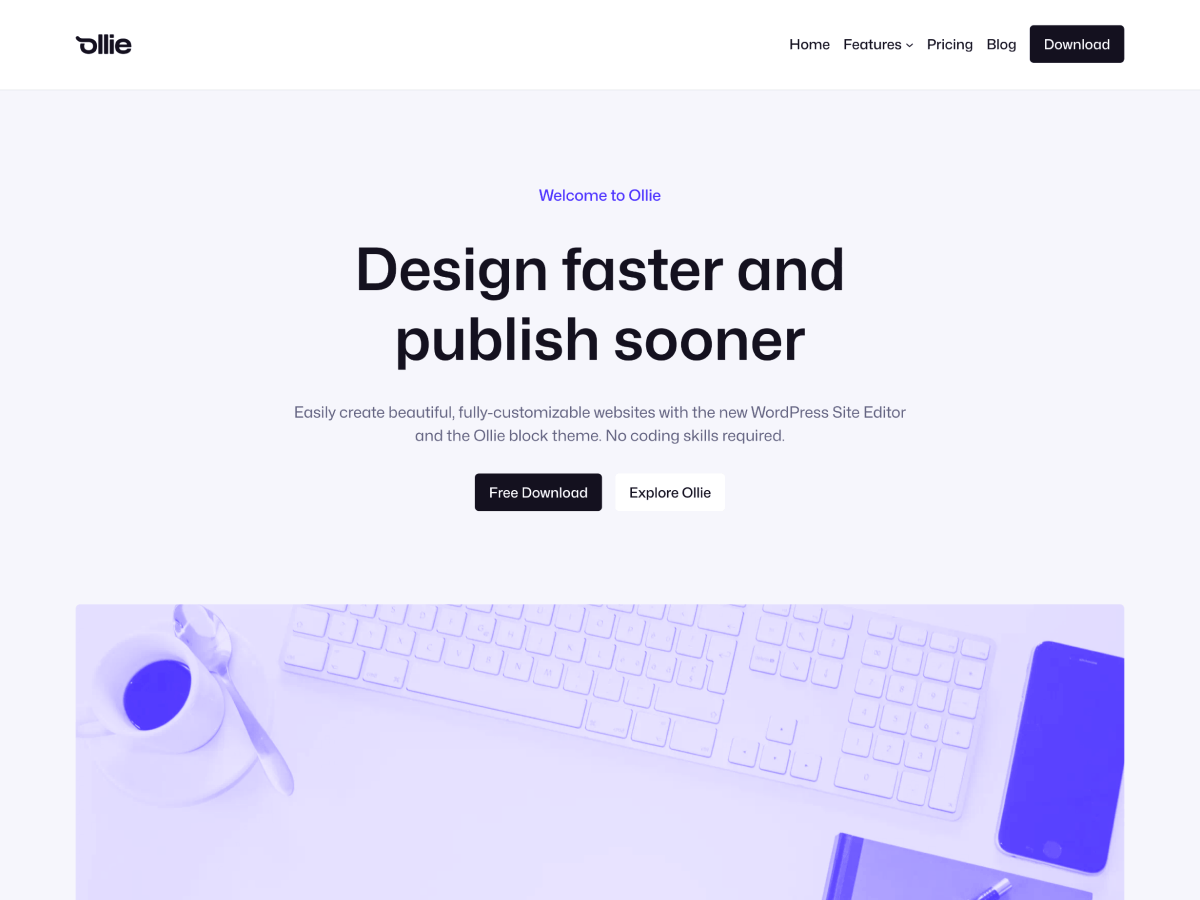
Ollie is the best-designed free block theme, built entirely for the Site Editor. It comes with a large set of page and section patterns, several style variations, and a setup wizard, so you can design every part of the site with blocks and no extra builder. A great choice if you want to stay close to where WordPress is heading.
6. Divi (Elegant Themes, $89/yr)

Divi combines a theme and a visual drag and drop builder with 2,000+ layouts and a full Theme Builder. Divi 5 is much faster than older versions. It suits bloggers who want complete visual control and run several sites (unlimited sites on every plan). See our Elegant Themes review.
7. Thrive Theme Builder (Thrive Suite, $299/yr)

Thrive Theme Builder is built for conversion-focused blogs: visual control over every template plus opt-in forms, landing pages, quizzes, and A/B testing through Thrive Suite. Best for bloggers whose main goal is building an email list and selling products.
8. Authority Pro (StudioPress)

Authority Pro is a clean, authority-style theme built on the Genesis Framework, made for bloggers, coaches, and authors selling a book or course. It is lightweight and reliable; Genesis themes are now available from StudioPress as part of WP Engine plans or individually.
9. Foodica (WPZOOM)

For food bloggers, Foodica is a dedicated recipe blog theme with recipe card blocks, ad placements, and a magazine-style homepage. It is a good example of a niche theme: if your niche has a well-maintained specialized theme, it can save weeks of customizing a general one.
Our Recommendation
- Most new blogs: Kadence or GeneratePress, free versions to start.
- Want to build everything with blocks: Ollie.
- Need full visual design control: Divi or Astra with starter templates.
- List building and sales first: Thrive Theme Builder.
Whatever you choose, install it on a staging site or test it with a few real posts before committing, and keep your content in standard blocks so switching themes later is painless. For more options, see our lists of premium WordPress theme sites and cheap WordPress themes.
Frequently Asked Questions
Do I need a premium theme to be taken seriously?
No. Readers cannot tell a well-configured free theme from a premium one. Pay when you need a specific feature or support, not for credibility.
Can I change my theme later?
Yes. Content stays in your posts; what changes is the design. Moving between block-based themes is easy. Moving away from a page builder theme like Divi is harder, because pages built with it need rebuilding.
What is the fastest WordPress theme?
GeneratePress, Kadence, Blocksy, and lightweight block themes like Ollie are all fast enough to pass Core Web Vitals out of the box. Hosting and plugins usually matter more than the difference between them.
Should I use a multipurpose theme like Avada?
Multipurpose themes with many bundled features tend to be heavier and harder to switch away from. For a blog, a lean theme plus a few plugins is usually the better choice.


Leave a Reply